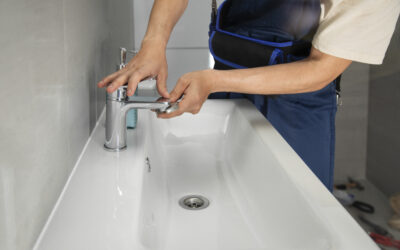

Remodeling your home is exciting, but it can also feel overwhelming once you start thinking about budgets, materials, layouts, contractors, and all the little decisions that come with a project. Whether you’re updating your kitchen, renovating a bathroom, or remodeling several areas of your home, a little planning upfront can save you from a lot of frustration later.Plumbing problems can strike at any time, causing inconvenience and potential damage to your home. While some issues may require the expertise of a professional plumber, it’s essential for homeowners to be aware of common plumbing problems and their solutions. In this blog post, we’ll explore ten plumbing issues that every homeowner should be familiar with and provide practical solutions to address them.
Here are 10 common remodeling mistakes homeowners should try to avoid.
1. Starting Without a Clear Budget
Before you start picking out cabinets or countertops, figure out what you are comfortable spending.
A remodeling budget needs to cover more than materials. Labor, demolition, permits, plumbing, electrical work, fixtures, and other project costs can quickly add up. It is also a good idea to keep some extra room in your budget in case something unexpected comes up once work begins.
Having a realistic budget from the start makes it easier to decide where to spend and where to save.
2. Jumping Into Construction Without a Plan
It is tempting to get started as soon as you have an idea for your new space. But making major decisions while construction is already underway can lead to delays, extra costs, and unnecessary stress.
Take time to work through the important details before the project begins. Think about the layout, materials, fixtures, appliances, lighting, storage, and overall look you want.
The more decisions you can make ahead of time, the smoother the remodeling process is likely to be.
3. Putting Looks Ahead of Function
A room can look beautiful in photos and still not work well for your everyday life.
Think about how you actually use the space. Do you need more kitchen counter space? Better bathroom storage? More room for appliances? A better way to move through the room?
Start with what you need the space to do, then build the design around those needs. The best remodels balance appearance with everyday practicality.
4. Changing the Layout Without Considering the Cost
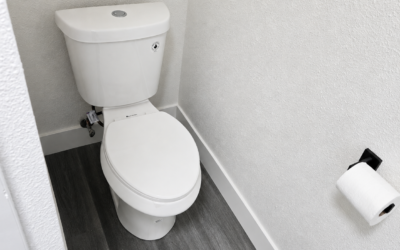
Moving a sink, toilet, wall, appliance, or electrical connection may seem like a simple change, but it can make a remodeling project more complicated.
Before committing to a new layout, talk through what the change will involve. Sometimes moving things around is worth the additional work, while other times a smarter use of the existing layout can give you a similar improvement for less.
5. Forgetting About Storage
Storage is one of those things you notice most when you don’t have enough of it.
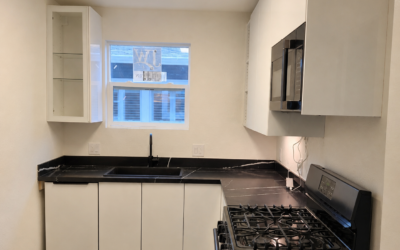
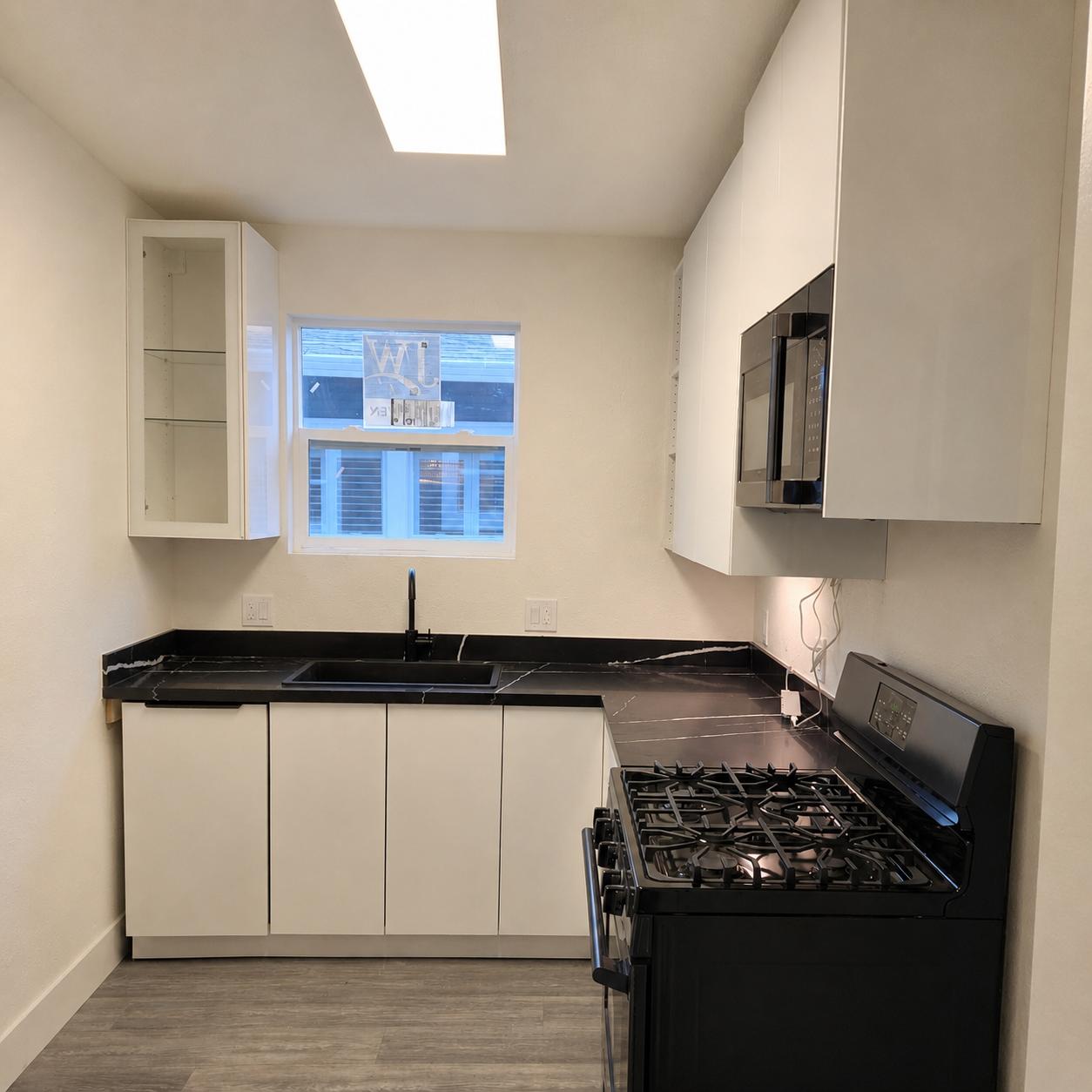
When planning your remodel, think about everything you need to store. In a kitchen, that could mean cookware, food, small appliances, and everyday dishes. In a bathroom, you may need space for towels, toiletries, cleaning supplies, and other essentials.
Adding the right storage during a remodel is much easier than trying to find space for it later.
6. Choosing Everything Based on the Lowest Price
Staying within your budget is important, but choosing the cheapest option for every part of the project may not save money in the long run.
Think about how often a material or fixture will be used and how much wear it will receive. A durable countertop, quality cabinet hardware, or well-made flooring may cost more upfront but can be a better choice for a busy home.
Look at the overall value, not just the price tag.
7. Treating Lighting as an Afterthought
Good lighting can make a remodeled room feel completely different.
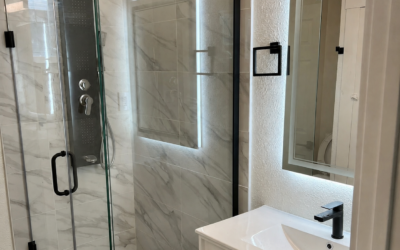
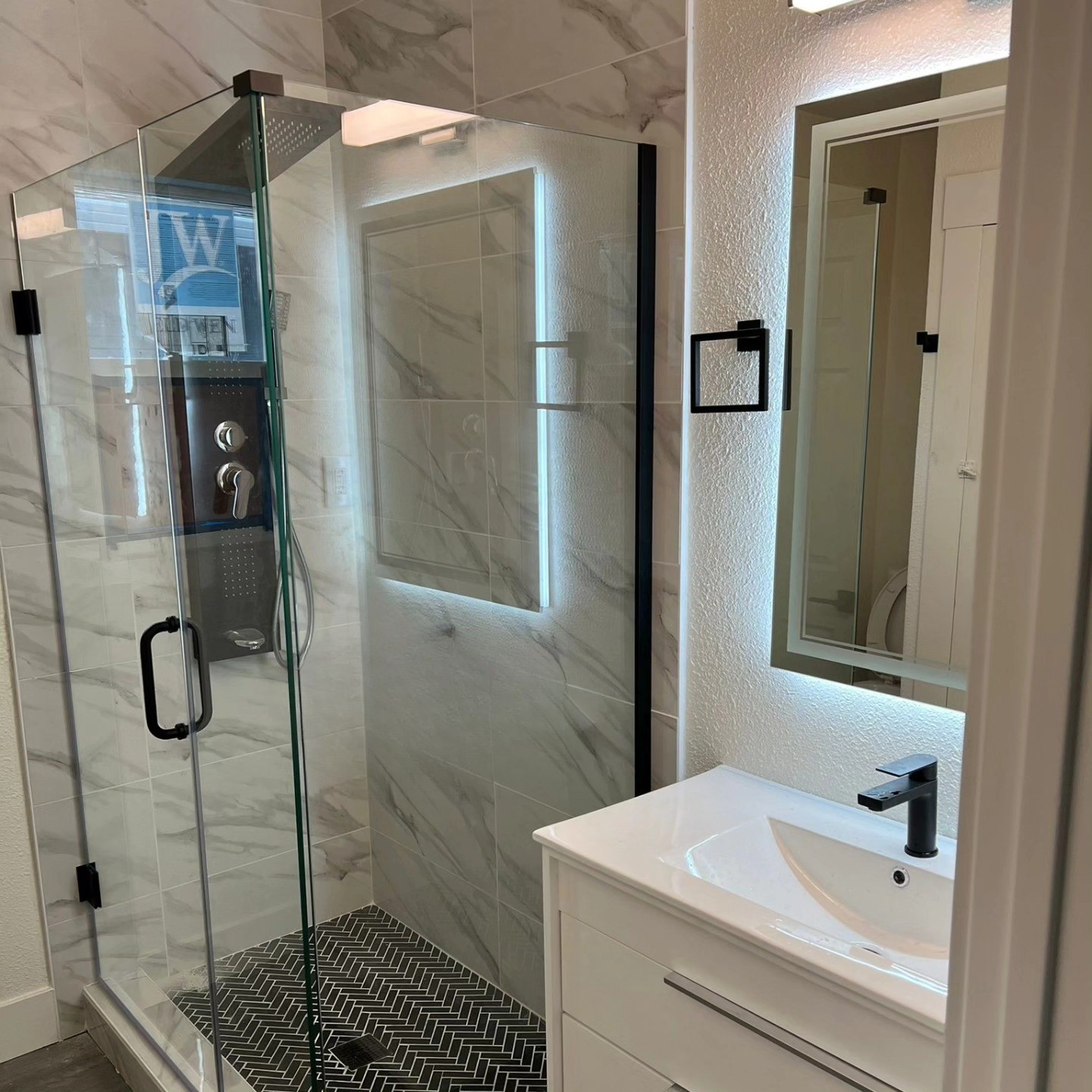
Instead of relying on one ceiling fixture, think about where you need light most. A kitchen may need task lighting over work areas and under cabinets, while a bathroom may benefit from well-placed lighting around the vanity.
Planning lighting early also gives you more flexibility when deciding where electrical connections and fixtures should go.
8. Forgetting About Plumbing and Electrical Work
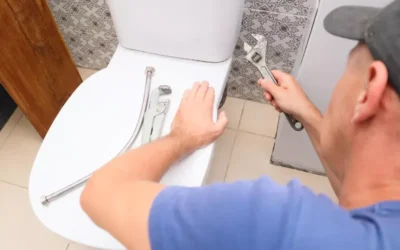
Not every remodeling project is simply about changing finishes. New appliances, sinks, lighting, outlets, showers, and other features may require changes to the plumbing or electrical systems.
These details should be discussed during the planning stage. Finding out halfway through the project that additional electrical or plumbing work is needed can affect both the timeline and the budget.
9. Constantly Changing the Plan
A remodeling project rarely goes exactly the way you imagined if you’re still making major decisions during construction.
Changing cabinet styles, moving fixtures, switching materials, or changing the layout after work has started can create delays and additional costs.
Of course, some changes are unavoidable. But whenever possible, finalize the major decisions before construction begins.
10. Choosing a Contractor Without Doing Your Homework
The remodeling contractor you choose can make a big difference in your overall experience.
Don’t make your decision based only on the lowest estimate. Look at the contractor’s experience, previous projects, communication, reviews, and the details included in the proposal.
Ask questions about the project timeline, materials, payment schedule, and what happens if something unexpected comes up. You should feel comfortable with the team you are trusting with your home.
Final Thoughts
The best remodeling projects aren’t just about creating a space that looks good. They’re about creating a home that works better for the people who live there.
Plan carefully, ask questions, and don’t be afraid to take your time with the important decisions. A little preparation before construction can go a long way toward creating a finished space you’ll enjoy for years to come.