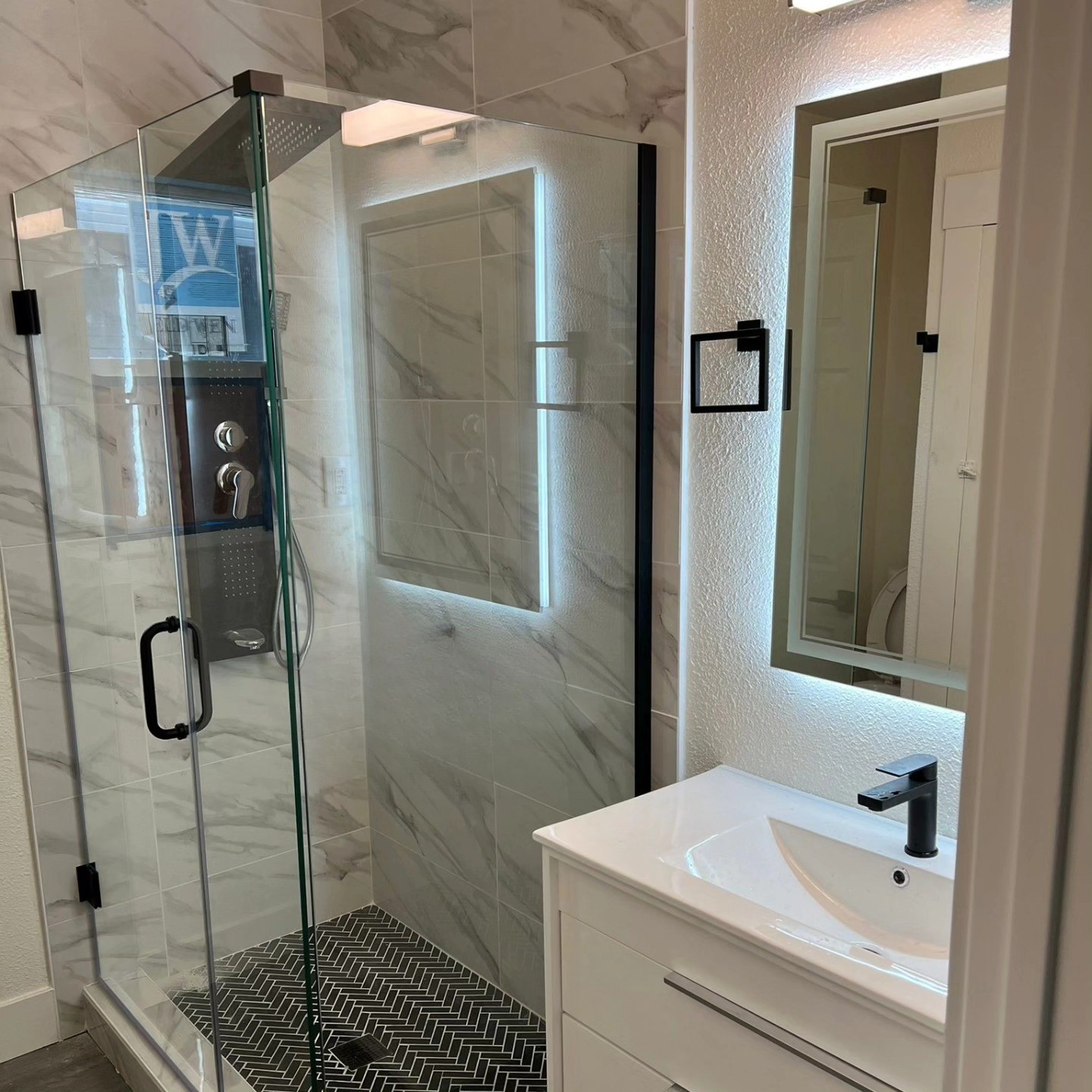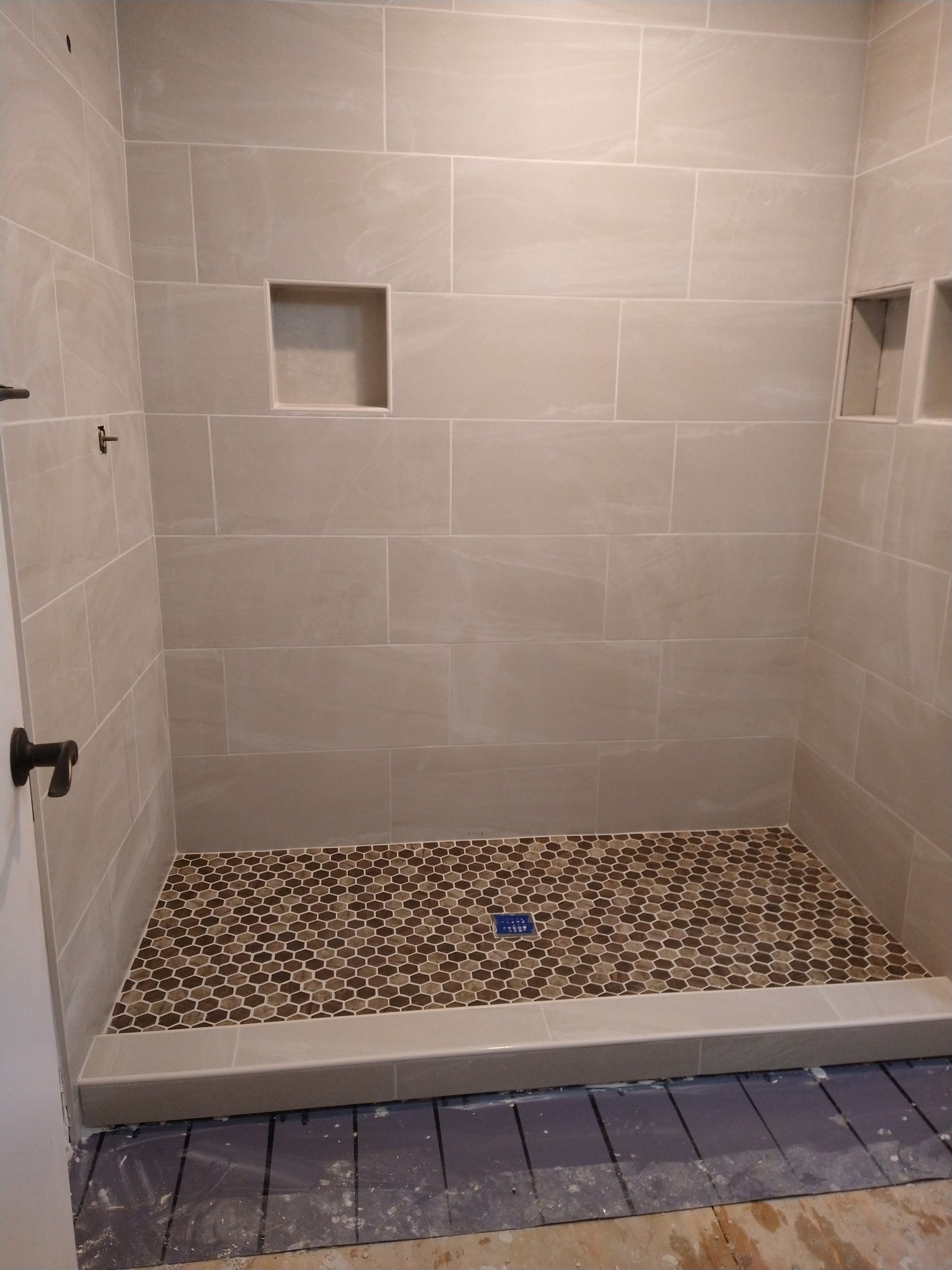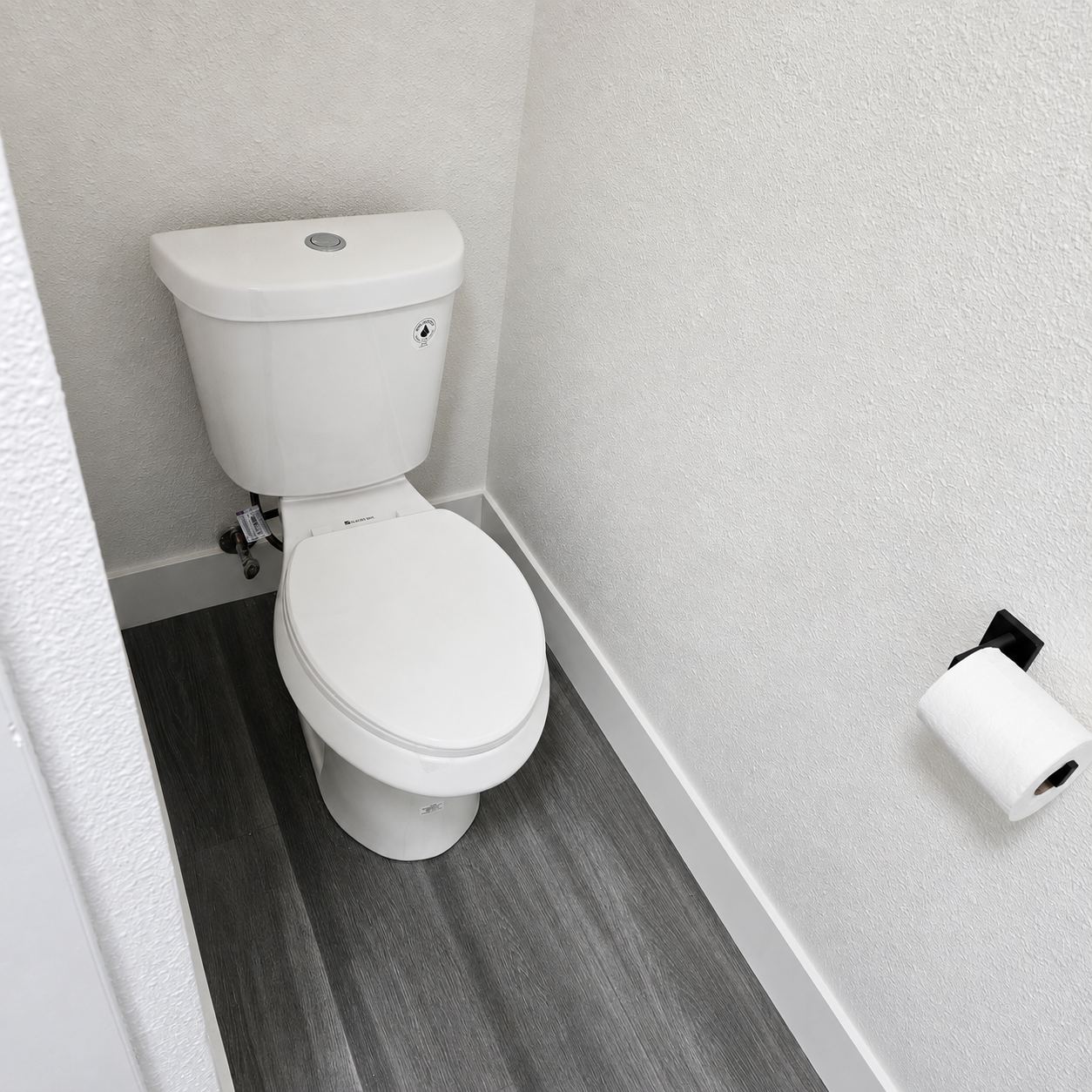
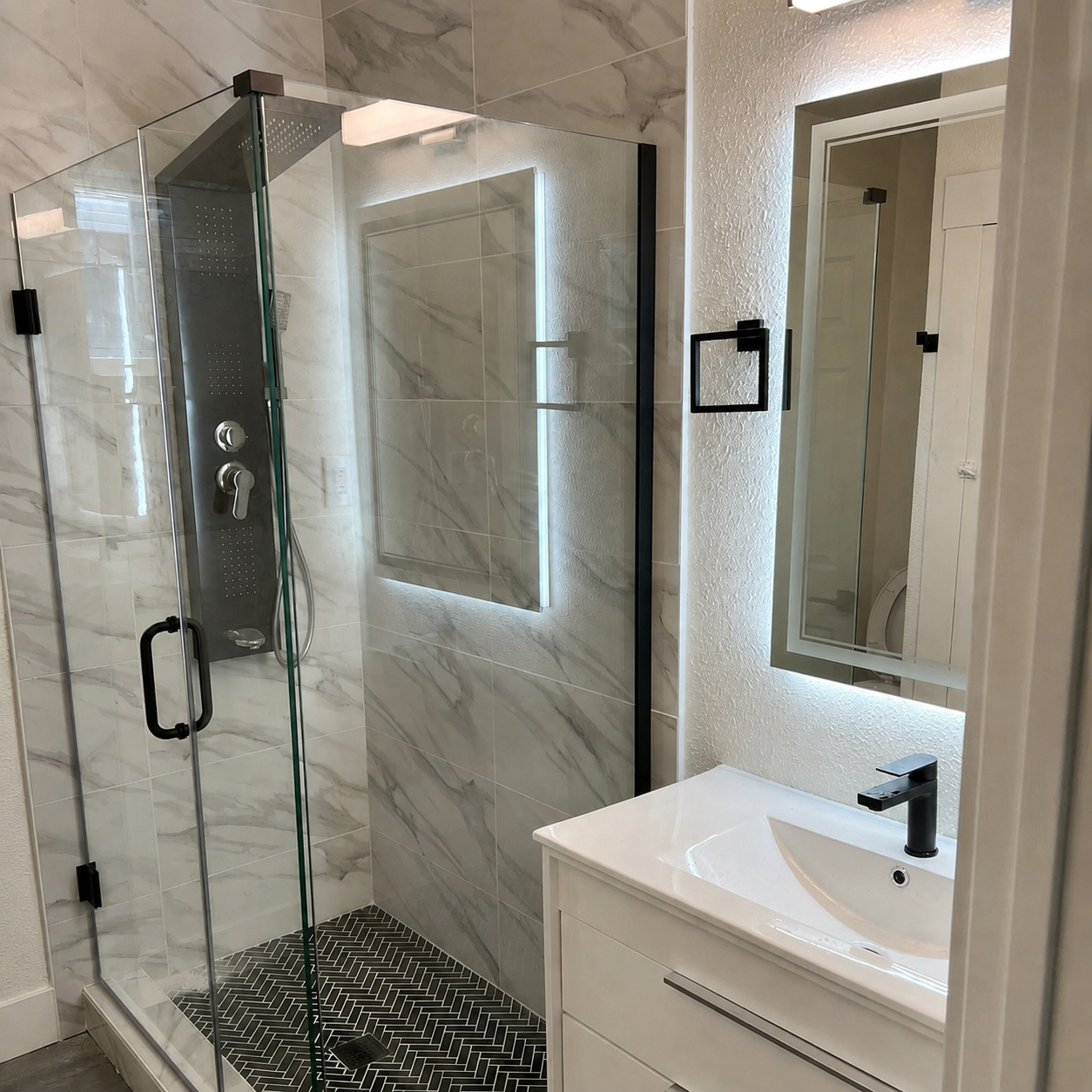
A bathroom remodel can completely change how your home looks and feels. A better layout, more storage, updated fixtures and improved lighting can turn an outdated bathroom into a comfortable and functional space.
But remodeling a bathroom is also a project where small planning mistakes can become expensive problems later.
Choosing fixtures too late, overlooking storage, focusing only on appearance or failing to plan for ventilation can affect both the finished result and your budget.
Whether you’re planning a small bathroom update or a complete renovation, knowing what to avoid before construction begins can save you time, money and frustration.
Here are 10 common bathroom remodeling mistakes to avoid before you start your next renovation project.
1. Starting Without a Clear Bathroom Remodeling Plan
One of the biggest mistakes homeowners make is starting demolition before they have a clear plan for what the finished bathroom should look like.
It’s easy to get excited about new tile, a beautiful vanity or a modern shower. But those individual choices need to work together.
Before work begins, think about:
- What isn’t working in your current bathroom?
- Do you need more storage?
- Are you changing the layout?
- Will the shower or bathtub move?
- Where will the vanity go?
- Do you need additional lighting?
- Which fixtures are staying?
- What is your realistic budget?
- What materials and finishes do you want?
A clear plan gives you a roadmap for the project and helps prevent unnecessary changes once construction is underway.
If you’re considering a larger home improvement project, you can also explore Projat’s Home Remodeling services to see how different remodeling needs can be approached as part of a broader plan.
2. Choosing Style Over Function
A bathroom should look good, but it also needs to work well every day.
A design that looks impressive in a photograph may not be practical for your household.
For example, a large freestanding tub may look beautiful, but if you rarely use a bathtub and need more storage, the space might be better used for a larger vanity or improved shower.
When planning your bathroom, consider how you actually use it.
Think about:
- Available floor space
- Shower access
- Storage
- Counter space
- Vanity placement
- Door swing
- Cleaning
- Daily traffic
- Accessibility
The best bathroom design combines appearance and practicality.
3. Underestimating Storage
Storage is often an afterthought during bathroom renovations.
Homeowners may focus heavily on tile, countertops and fixtures while forgetting how many items need a place to go.
Towels, toiletries, cleaning supplies, personal-care products and everyday essentials can quickly make a bathroom feel cluttered.
Before finalizing your design, decide where everything will be stored.
Depending on the space, you might consider:
- Vanity drawers
- Built-in cabinets
- Medicine cabinets
- Recessed storage
- Open shelving
- Linen storage
- Shower niches
Good storage doesn’t have to make the bathroom feel crowded. When planned correctly, it can actually make the space look cleaner and more spacious.
4. Ignoring Bathroom Ventilation
Ventilation is one of the least exciting parts of bathroom remodeling, but it is extremely important.
Bathrooms naturally produce moisture from showers and baths. Without adequate ventilation, excess humidity can contribute to moisture-related problems and can affect finishes over time.
Make ventilation part of the planning process rather than treating it as an afterthought.
Consider:
- Exhaust fan capacity
- Fan placement
- Ducting
- Moisture management
- Whether the existing ventilation system needs improvement
A beautiful bathroom still needs to perform well after the renovation is complete.
5. Forgetting About Lighting
A single ceiling light rarely provides the best lighting for a modern bathroom.
Different areas of the bathroom have different lighting needs.
For example:
Vanity lighting can provide better illumination for grooming.
Shower lighting can improve visibility in the bathing area.
Ambient lighting can create a more comfortable overall atmosphere.
Accent lighting can highlight architectural or design features.
Think about lighting during the design stage, because adding electrical connections later can be more complicated than planning them from the beginning.
6. Choosing Materials Without Considering Maintenance
A material can look beautiful but still be a poor choice for your lifestyle.
Bathrooms deal with water, humidity, cleaning products and daily use, so materials should be selected with maintenance in mind.
Before choosing a finish, ask:
- How often does it need to be cleaned?
- Is it suitable for a wet environment?
- Does it require sealing?
- Is it resistant to moisture?
- How difficult will it be to maintain?
- Will replacement materials be easy to find later?
The goal isn’t necessarily to choose the most expensive material.
It’s to choose materials that provide the right balance of appearance, durability, maintenance and budget.
7. Moving Plumbing Without Considering the Cost and Complexity
Changing the location of a sink, toilet, shower or bathtub can dramatically change the scope of a bathroom renovation.
Sometimes moving plumbing is necessary because the existing layout simply doesn’t work. But if the current layout is functional, you should carefully consider whether moving fixtures is worth the additional work.
Before changing the layout, discuss:
- Existing plumbing locations
- Drain lines
- Water supply lines
- Fixture placement
- Construction requirements
- Potential permit requirements
A layout change can be worthwhile when it solves a genuine functional problem. It shouldn’t be done simply because the current arrangement feels outdated.
8. Forgetting About the Bathroom’s Long-Term Needs
It’s easy to design a bathroom around how your household uses it today.
But a good renovation should also consider how your needs may change.
For example, homeowners may eventually benefit from:
- Easier shower access
- Wider pathways
- Comfortable fixture heights
- Better lighting
- More accessible storage
- Slip-resistant flooring
- Additional grab-bar support
You don’t necessarily need to make your bathroom look like an accessibility-focused space.
Thoughtful planning can incorporate convenient features while maintaining a modern design.
9. Changing Your Mind After Construction Starts
Making design changes during construction can be costly and disruptive.
Maybe you decide that you want a different tile after the old one has already been removed. Or perhaps you realize that the vanity should have been placed somewhere else.
These changes can affect:
- Materials
- Labor
- Project timeline
- Ordering
- Installation
- Budget
This is why it pays to finalize as many decisions as possible before construction begins.
Create a checklist of your major selections, including:
- Vanity
- Countertop
- Tile
- Shower fixtures
- Tub
- Toilet
- Faucets
- Lighting
- Mirrors
- Cabinet hardware
- Paint
- Storage accessories
The more decisions you make ahead of time, the smoother the project can be.
10. Setting a Budget Without Prioritizing Your Spending
Having a bathroom remodeling budget is important, but simply choosing a maximum number isn’t enough.
You also need to decide where your money should go.
For example, you may want to prioritize:
Functionality:
Invest in improvements that solve everyday problems.
Plumbing and electrical:
Make sure essential infrastructure is properly planned.
Fixtures:
Choose products that fit the way you use the bathroom.
Storage:
Don’t sacrifice useful storage just to create a particular look.
Materials:
Choose finishes that fit your lifestyle and maintenance expectations.
Design details:
Add decorative features where they have the greatest visual impact.
A useful approach is to divide your choices into three categories:
Must-Haves
Features you absolutely need for the bathroom to work properly.
Nice-to-Haves
Improvements you’d like to include if the budget allows.
Future Upgrades
Features that can potentially be added later without redesigning the entire bathroom.
This approach gives you flexibility without losing sight of your overall vision.
How to Avoid These Bathroom Remodeling Mistakes
The best way to avoid remodeling problems is to think about the project as a complete system rather than a collection of individual products.
Your layout affects your plumbing.
Your plumbing affects construction.
Your vanity affects storage and lighting.
Your tile affects maintenance.
Your fixtures affect both functionality and appearance.
Everything needs to work together.
Before starting your renovation, take the time to define your priorities, establish a realistic budget and make your major design decisions.
If you’re unsure whether your ideas will work within the existing space, getting professional input before construction begins can help identify potential challenges early.
When Should You Consider a Bathroom Renovation?
Not every outdated bathroom needs a complete remodel.
Sometimes a smaller update can make a noticeable difference.
A more extensive renovation may make sense when:
- The layout no longer works for your household
- Storage is inadequate
- Fixtures are outdated
- The bathroom has ongoing functional problems
- You want to improve accessibility
- You are updating other areas of the home
- The bathroom no longer fits your lifestyle
- You want to create a more modern and comfortable space
The right scope depends on the condition of your existing bathroom and what you want to accomplish.
Planning a Bathroom Renovation in the Bay Area?
A successful bathroom remodel starts long before the first tile is removed.
At Projat Solutions, bathroom renovation is part of a broader home improvement approach designed around the homeowner’s needs. If you’re considering updating your bathroom, start by identifying the problems you want to solve, the features you want to add and the budget you’re comfortable with.
You can also explore Projat’s Home Remodeling services if your bathroom renovation is part of a larger home improvement project.
When you’re ready to discuss your project, contact Projat Solutions to take the next step toward planning your renovation.
Frequently Asked Questions About Bathroom Remodeling
What is the biggest mistake to avoid when remodeling a bathroom?
Starting without a clear plan is one of the most common mistakes. Your layout, fixtures, storage, lighting, materials and budget should be considered together before construction begins.
What should I choose first when remodeling a bathroom?
Start with your goals and layout rather than individual finishes. Once you know how the space should function, you can make decisions about fixtures, cabinetry, tile and other materials.
Should I change the bathroom layout?
Not necessarily. If your existing layout works well, keeping major plumbing and fixture locations in place may simplify the project. However, a layout change can be worthwhile when the existing arrangement creates functional problems.
How can I make a small bathroom feel larger?
Use thoughtful storage, appropriate lighting, a practical layout and finishes that don’t visually overwhelm the space. A well-planned small bathroom can feel comfortable without physically increasing its size.
Is bathroom ventilation really important?
Yes. Bathrooms produce significant moisture, particularly during showers and baths. Proper ventilation helps manage humidity and supports the long-term performance of the space.
Should I prioritize storage during a bathroom remodel?
Absolutely. Storage should be part of the initial design rather than something added at the end. Vanity drawers, medicine cabinets, recessed niches and built-in storage can help keep everyday items organized.
Is it worth moving plumbing during a bathroom remodel?
It depends on the project. Moving plumbing can help create a better layout, but it can also increase the complexity of the renovation. The decision should be based on whether the new layout provides a meaningful functional improvement.
How can I stay within my bathroom remodeling budget?
Create a clear project scope, separate must-have features from optional upgrades, make material selections before construction and leave some flexibility for unexpected issues.
Should I choose bathroom materials based only on appearance?
No. Consider durability, moisture exposure, cleaning requirements, maintenance and long-term use alongside appearance.
How do I start planning a bathroom renovation?
Begin by identifying what’s not working in your current bathroom. Then determine your desired layout, storage needs, fixtures, materials and budget. Once you have those priorities, you can move toward a detailed renovation plan.
Final Thoughts
A bathroom remodel is an opportunity to make one of the most frequently used spaces in your home more functional, comfortable and attractive.
The biggest improvements don’t always come from the most expensive materials. They often come from thoughtful planning—better storage, smarter lighting, a more practical layout, appropriate materials and features that fit the way you actually live.
Avoid the common mistakes above, make your major decisions before construction begins and keep your priorities clear throughout the project.
If you’re planning a bathroom renovation in the Bay Area, Projat Solutions can help you take your ideas from an initial plan toward a finished space that works for your home and your lifestyle.