Bathroom Renovation Timeline in Contra Costa County: What Homeowners Should Expect
Planning a bathroom renovation is exciting—until you start wondering how long your bathroom will actually be out of service.
Will the project take a couple of weeks? A month? Longer?
The answer depends on the size of the bathroom, the scope of the renovation, the materials you choose, whether plumbing or electrical work is required, and whether permits and inspections are involved.
For homeowners in Contra Costa County, the permitting and inspection process can also be an important part of the timeline. The County identifies bathroom remodeling as work that generally requires a building permit, with requirements varying based on the project’s scope.
A straightforward bathroom update may move relatively quickly, while a renovation involving layout changes, relocated fixtures, new plumbing, electrical work or structural modifications can take considerably longer.
This guide explains the typical stages of a bathroom renovation in Contra Costa County so you know what to expect before construction begins.
How Long Does a Bathroom Renovation Take?
There isn’t one standard timeline for every bathroom renovation.
A simple like-for-like update may take considerably less time than a complete bathroom renovation involving demolition, plumbing changes, electrical work, new flooring, shower construction, cabinetry and multiple inspections.
For planning purposes, think of your bathroom renovation as a series of stages rather than one continuous block of construction:
- Initial planning and consultation
- Design and project scope
- Material selection
- Permit preparation and approval
- Demolition
- Plumbing and electrical work
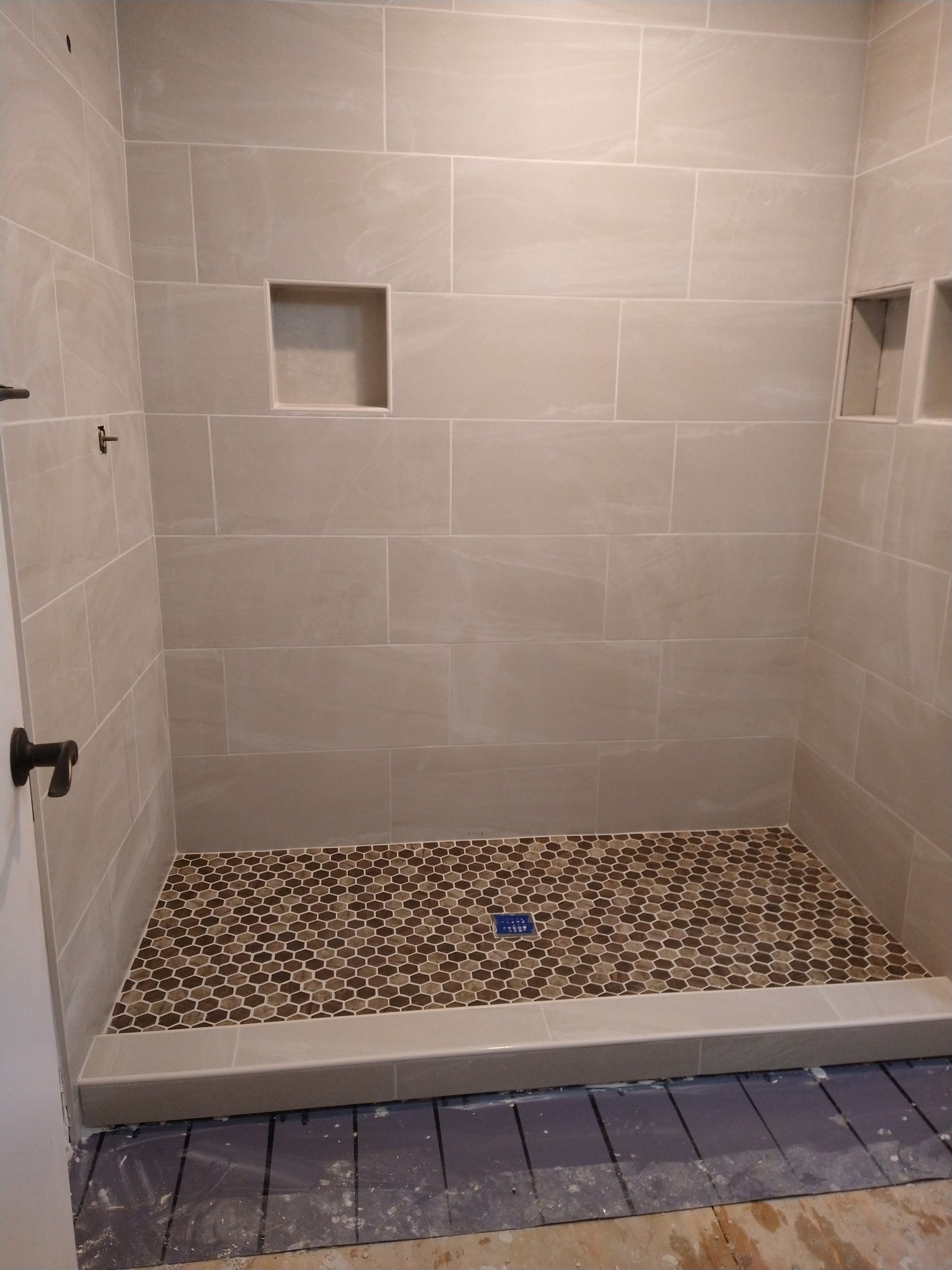
- Walls and waterproofing
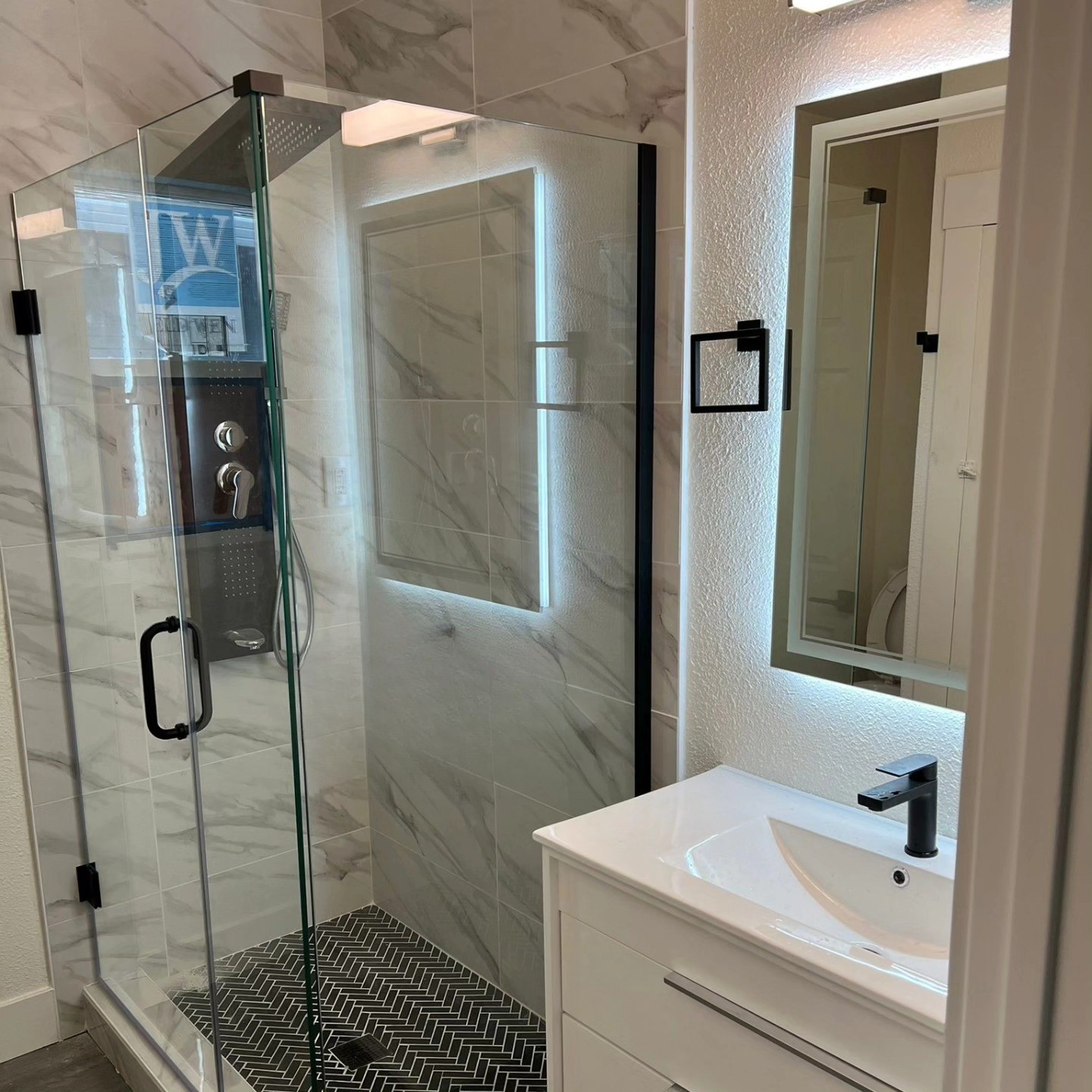
- Flooring, tile and shower installation
- Vanity, fixtures and accessories
- Final inspection and completion
Some of these stages overlap, while others cannot begin until earlier work has been completed or inspected.
The exact timeline can change depending on your bathroom and the scope of work.
Stage 1: Planning Your Bathroom Renovation
Start With What Isn’t Working
Before choosing tile colors or looking at vanities, identify the problems you want the renovation to solve.
Is the bathroom too small?
Do you need more storage?
Is the shower difficult to use?
Are the fixtures outdated?
Does the lighting need improvement?
Does the current layout waste space?
These questions help determine whether you’re looking at a cosmetic update or a more comprehensive renovation.
A clear project scope at the beginning can prevent unnecessary changes later.
Stage 2: Design and Layout Planning
Once you know what you want to improve, the next step is developing the design.
This is where you decide on:
- Bathroom layout
- Vanity size
- Shower or bathtub configuration
- Toilet placement
- Storage
- Lighting
- Flooring
- Wall tile
- Shower tile
- Faucets
- Fixtures
- Mirrors
- Finishes
Do You Need to Change the Bathroom Layout?
This is one of the most important decisions affecting the timeline.
If your existing plumbing and fixtures stay in approximately the same locations, the project may be simpler.
If you move the shower, toilet, sink or bathtub, additional plumbing and construction work may be required.
Contra Costa County’s residential bathroom remodel requirements specifically call for plans showing existing and proposed conditions when fixtures are relocated or the bathroom size changes.
That’s why layout decisions should be made early—not after construction has already started.
Stage 3: Choosing Your Bathroom Materials
Material selection is another part of the timeline that homeowners sometimes underestimate.
Before construction begins, you’ll want to have decisions made about major materials and fixtures such as:
- Tile
- Vanity
- Countertop
- Shower fixtures
- Bathtub
- Toilet
- Faucets
- Mirrors
- Lighting
- Flooring
- Cabinet hardware
- Shower enclosure
Why Does Material Selection Affect the Timeline?
Because your contractor can’t install materials that haven’t arrived.
If a particular vanity, tile or fixture is delayed, the installation schedule may have to change.
For this reason, it’s smart to make major selections early and confirm product availability before the project starts.
Stage 4: Permits and Approvals in Contra Costa County
Permits are an important part of planning a bathroom renovation in Contra Costa County.
The County’s home improvement guidance identifies bathroom remodeling as work that generally requires a building permit, although exact requirements depend on the scope of the project.
For bathroom remodels, the County’s published requirements indicate that plans may be needed when fixtures are relocated or the bathroom size changes.
How Long Can the Permit Process Take?
Contra Costa County says its building plan check process generally takes two to four weeks, although the actual processing time depends on the type and complexity of the project. The County also notes that applications must be complete before plan review can proceed efficiently.
That means homeowners shouldn’t assume that permit approval will happen immediately.
A complete application, accurate plans and timely responses to plan-review comments can help keep the process moving.
Stage 5: Bathroom Demolition
Once the necessary approvals are in place and the project is ready to begin, demolition can start.
Depending on the renovation, this may involve removing:
- Existing tile
- Flooring
- Vanity
- Toilet
- Tub
- Shower components
- Cabinets
- Fixtures
- Wall materials
Demolition is more than simply making the bathroom look empty.
It gives the remodeling team an opportunity to see what’s behind the existing finishes.
What If Something Unexpected Is Found?
This is one reason a bathroom renovation timeline should always have some flexibility.
Once walls, flooring or other materials are removed, the project may reveal conditions that were not visible during the initial planning stage.
For example, there may be unexpected plumbing issues, damaged materials or conditions that require additional work.
When this happens, the timeline can change.
Stage 6: Plumbing and Electrical Work
After demolition, behind-the-wall work can begin.
This may include:
- Plumbing modifications
- New water lines
- Drain adjustments
- Shower valve installation
- Electrical wiring
- New outlets
- Lighting connections
- Exhaust fan work
This stage is particularly important because much of the work will eventually be hidden behind walls.
Contra Costa County’s bathroom remodel guidance identifies rough plumbing and electrical inspections that should take place before wallboard is installed when applicable.
Why Can’t This Work Simply Be Covered Immediately?
Because required inspections need to happen at the appropriate stage.
Covering walls before the necessary rough inspections can create problems and potentially require work to be opened again.
Stage 7: Waterproofing the Shower and Wet Areas
Waterproofing is one of the most important parts of a bathroom renovation.
The finished tile may be what everyone notices, but the layers behind that tile are critical to protecting the bathroom from moisture.
Depending on the project, this stage can include:
- Shower waterproofing
- Shower pan preparation
- Underlayment
- Drain installation
- Water testing where required
Contra Costa County’s bathroom remodel requirements include inspections related to underlayment and shower pan testing when applicable.
Don’t Rush This Stage
A beautiful tile installation cannot compensate for poor waterproofing.
The goal is to create a bathroom that looks good and performs properly for years to come.
Stage 8: Tile and Flooring Installation
Once the underlying work is ready, the visible transformation starts to happen.
Tile may be installed on:
- Shower walls
- Shower floors
- Bathroom walls
- Bathroom floors
- Backsplash areas
The timeline can vary depending on the size and complexity of the tile design.
Large-format tile, intricate patterns, multiple tile types or custom layouts may require more planning and installation time than a straightforward design.
Stage 9: Vanity, Countertop and Storage Installation
After major tile and flooring work is completed, the bathroom begins to come together.
This stage may include installing:
- Vanity
- Cabinets
- Countertop
- Sink
- Medicine cabinet
- Shelving
- Storage accessories
Plan Storage Before This Stage
If storage wasn’t considered during the initial design, it can be difficult to add meaningful storage later.
Think about what you actually need to store:
- Towels
- Toiletries
- Hair-care products
- Cleaning supplies
- Personal-care items
- Everyday bathroom essentials
A well-designed vanity can make a bathroom feel considerably more organized.
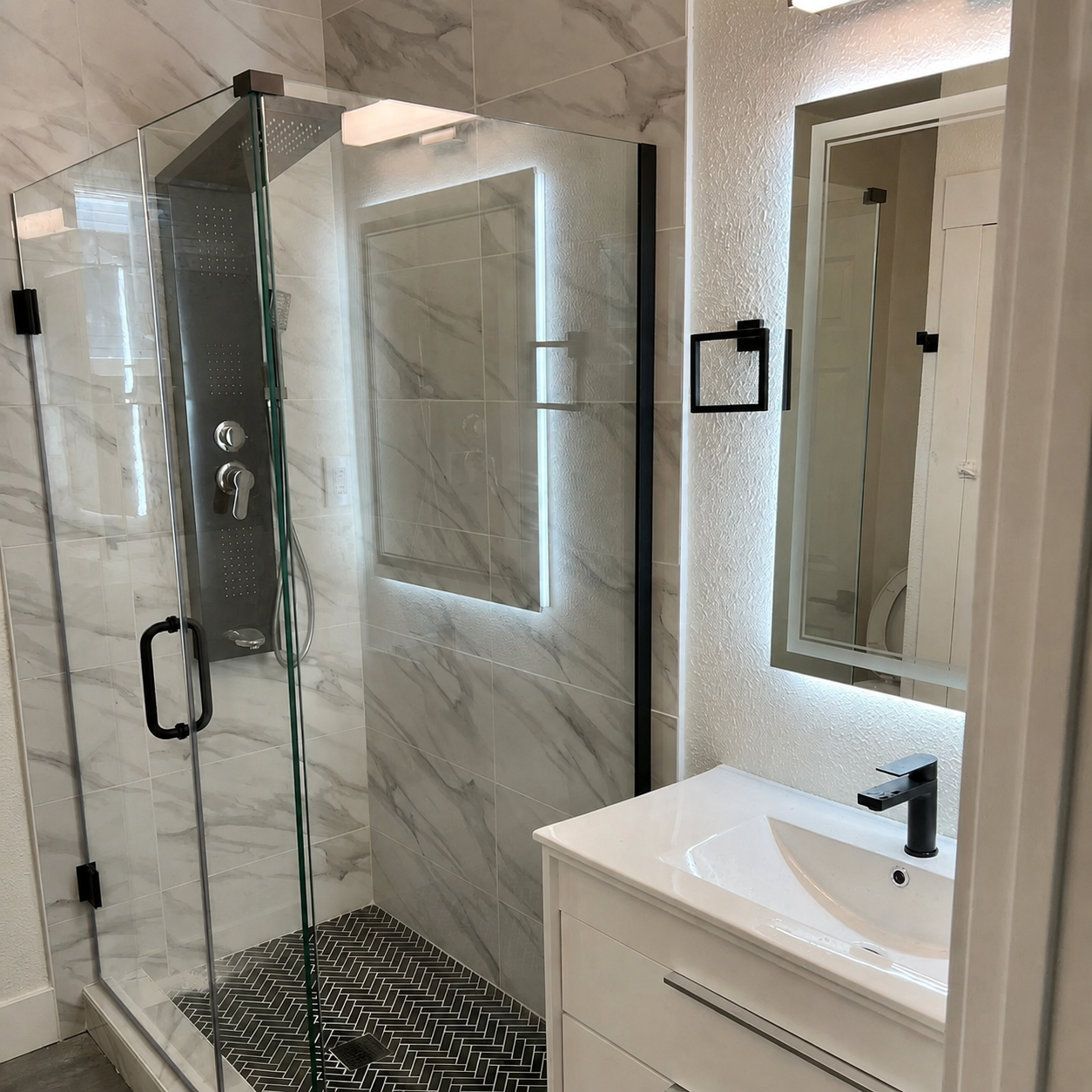
Stage 10: Fixtures, Mirrors and Lighting
Now the finishing elements are installed.
This may include:
- Faucets
- Shower fixtures
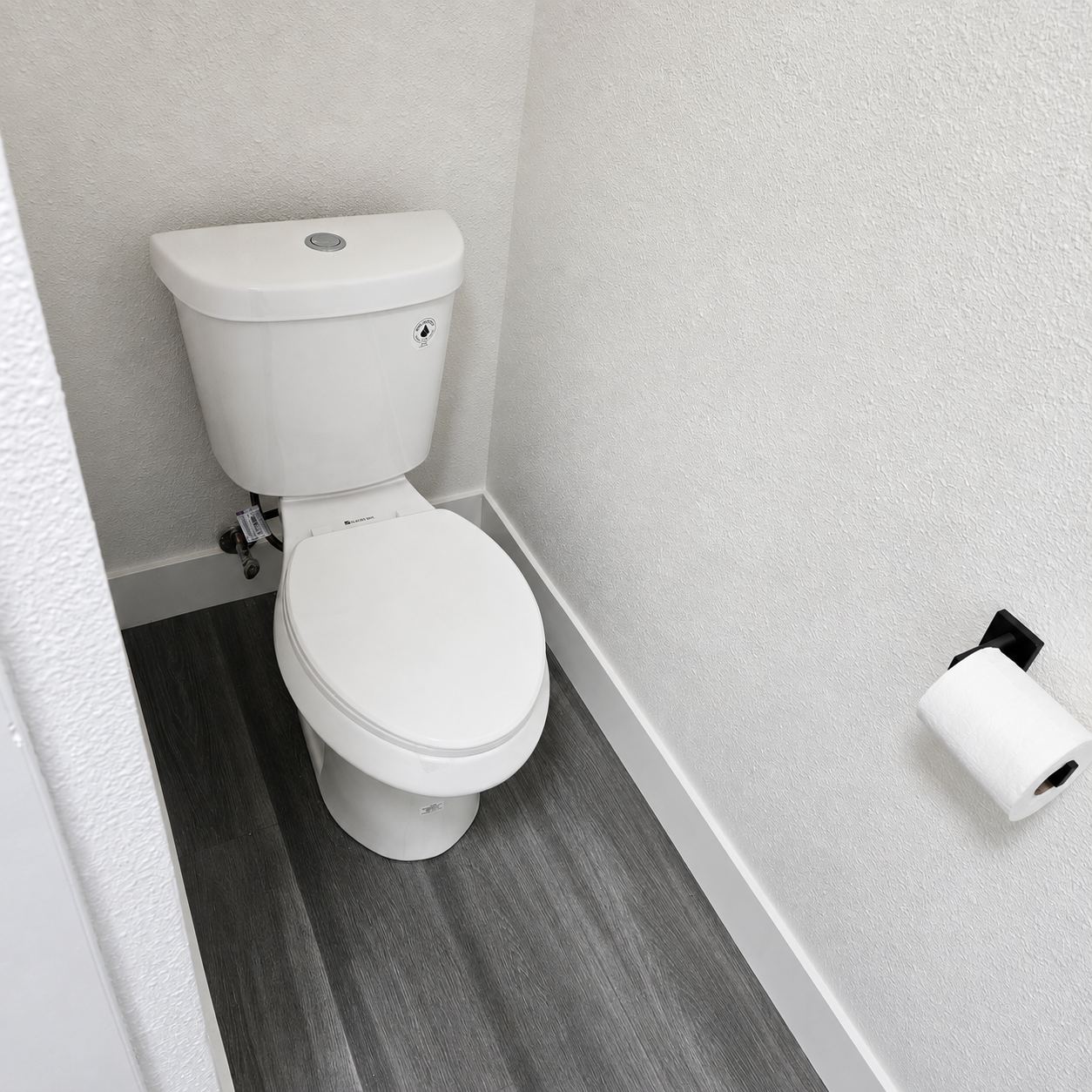
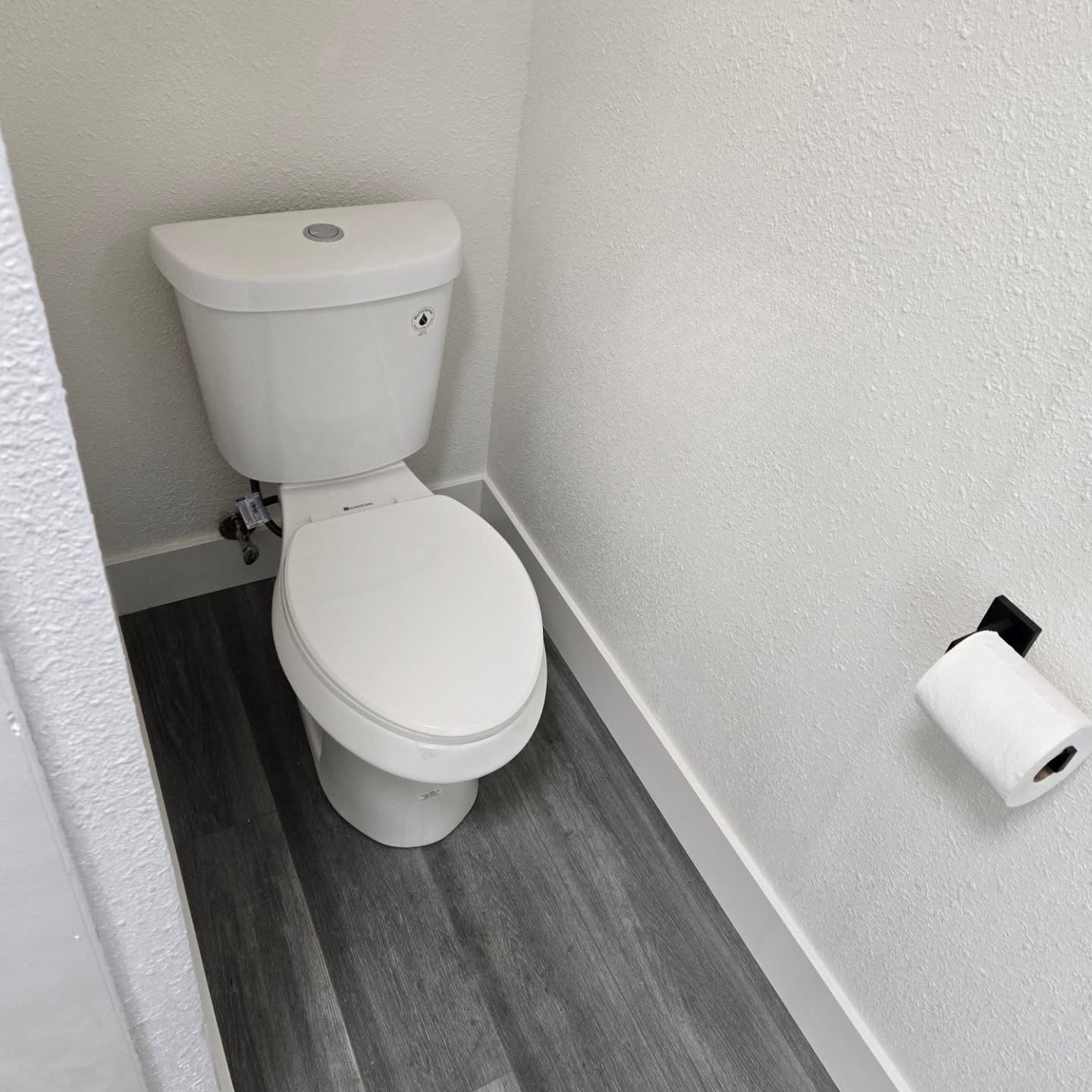
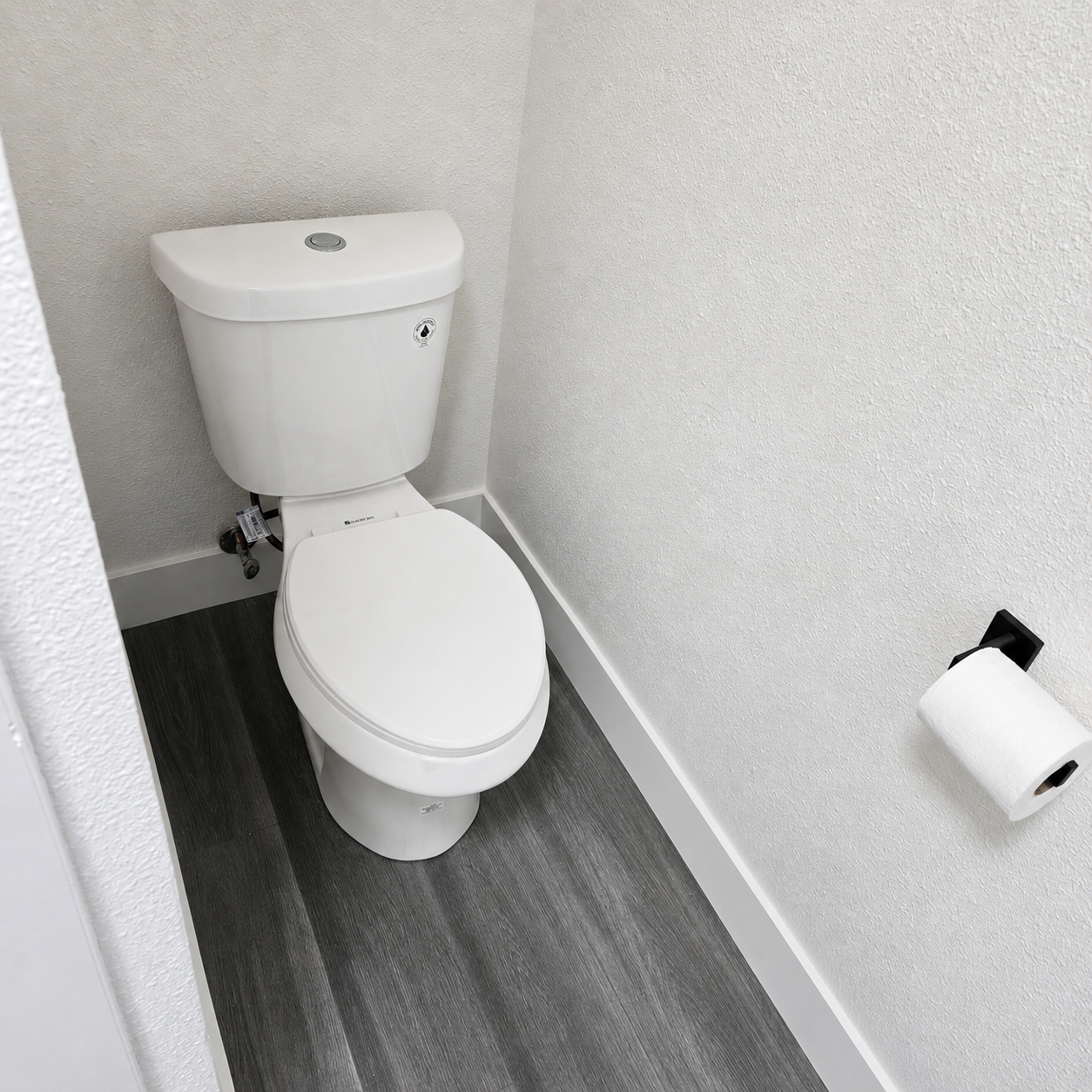
- Toilet
- Tub fixtures
- Mirrors
- Light fixtures
- Exhaust fan
- Towel bars
- Toilet paper holder
- Shower accessories
- Cabinet hardware
At this stage, the bathroom starts to look much closer to the original design.
Stage 11: Final Inspection and Walkthrough
Once the renovation is complete, required final inspections can be scheduled.
Contra Costa County explains that inspections are used to verify that the completed work meets the permitted plans.
The County’s bathroom remodel guide states that the final inspection should take place after all work has been completed.
After the required inspections are completed, the final step is a walkthrough to identify any remaining touch-ups or adjustments.
What Can Make a Bathroom Renovation Take Longer?
Even a well-planned renovation can encounter delays.
Here are some of the most common factors.
Permit or Plan Review Delays
If plans need corrections or additional information, the review process can take longer.
Contra Costa County notes that plan review can involve multiple rounds of communication and revisions depending on the application.
Material Delays
A missing vanity, tile shipment or fixture can prevent the next stage from moving forward.
Layout Changes
Moving plumbing or changing the bathroom configuration can add construction work.
Unexpected Conditions
Demolition can reveal issues that were not visible beforehand.
Design Changes During Construction
Changing your mind after materials have been ordered or installed can affect both schedule and cost.
Inspection Scheduling
Required inspections need to occur at the appropriate stages before certain work can be covered or completed.
How to Make Your Bathroom Remodel Go More Smoothly
You can’t eliminate every possible delay, but good preparation can make a major difference.
1. Finalize Your Layout Early
Don’t wait until construction begins to decide where your shower, vanity or toilet should go.
2. Select Materials Before Work Starts
Choose your major finishes and fixtures early and confirm availability.
3. Understand Your Permit Requirements
Don’t assume every bathroom project follows the same process.
Contra Costa County provides specific bathroom remodel requirements and recommends determining permit requirements before beginning work.
4. Keep Your Priorities Clear
Know which improvements are essential and which ones are optional.
5. Leave Some Flexibility in Your Schedule
A renovation timeline is an estimate, not a guarantee.
Unexpected conditions can happen, especially once existing materials are removed.
Should You Stay Home During a Bathroom Renovation?
That depends on your household and the scope of the project.
For a small bathroom update, living at home may be relatively manageable.
For a major renovation, however, you’ll need to consider:
- How many bathrooms your home has
- Whether another bathroom is available
- How much construction noise you can tolerate
- Dust and debris
- Access to the work area
- Children or pets
- How long the bathroom will be unavailable
If you’re remodeling your only bathroom, discuss the expected schedule and daily access with your remodeling team before work begins.
How to Plan Around Your Bathroom Remodeling Timeline
A little preparation can make the renovation much easier on your household.
Before construction starts:
Choose your materials.
Don’t leave major decisions until installation week.
Create a temporary bathroom routine.
If you have another bathroom, decide how your household will use it while the renovation is underway.
Move personal items out of the bathroom.
Pack toiletries, towels and other belongings before demolition.
Protect nearby areas.
Construction traffic can affect hallways, floors and adjacent rooms, so discuss protection measures with your remodeling team.
Keep communication open.
Ask for updates when major stages are completed and discuss any changes before making decisions.
When Is the Best Time to Start a Bathroom Renovation in Contra Costa County?
There’s no single perfect season for every bathroom renovation.
The best time depends on your household schedule, project scope, material availability and contractor scheduling.
If you have a specific deadline—such as preparing your home for guests, completing another renovation or getting ready to sell—start the planning process well in advance.
Remember that the project timeline begins before demolition.
Design, material selection, permitting and scheduling can all happen before the first tile is removed.
Planning a Bathroom Renovation in Contra Costa County?
A bathroom renovation doesn’t have to feel overwhelming.
The key is understanding that the project is made up of several connected stages. When planning, design, materials, construction and inspections are coordinated from the beginning, you have a much clearer picture of what to expect.
If you’re considering a bathroom renovation in Contra Costa County, Projat Solutions can help you plan your project around your goals, space and desired improvements.
Whether you’re updating an outdated bathroom or planning a more complete transformation, start by defining what you want the finished space to accomplish.
Contact Projat Solutions to discuss your bathroom renovation plans and take the next step toward creating a bathroom that works better for your home.
Final Thoughts
A bathroom renovation timeline is about more than the number of days workers spend inside the bathroom.
The project starts with planning, continues through design and material selection, moves into permitting and construction, and ends with inspections and final details.
For Contra Costa County homeowners, understanding the local permit and inspection process is particularly important. The County provides specific requirements for bathroom remodels, including inspections at key stages of applicable projects.
The better prepared you are before construction begins, the easier it is to manage expectations and keep the project moving.
If you’re considering a bathroom renovation, focus first on what you want to improve, how you want the space to function and what matters most to your household. Then build the project timeline around those priorities.
A well-planned renovation can give you a bathroom that isn’t just newer—it can be more comfortable, functional and enjoyable to use every day.